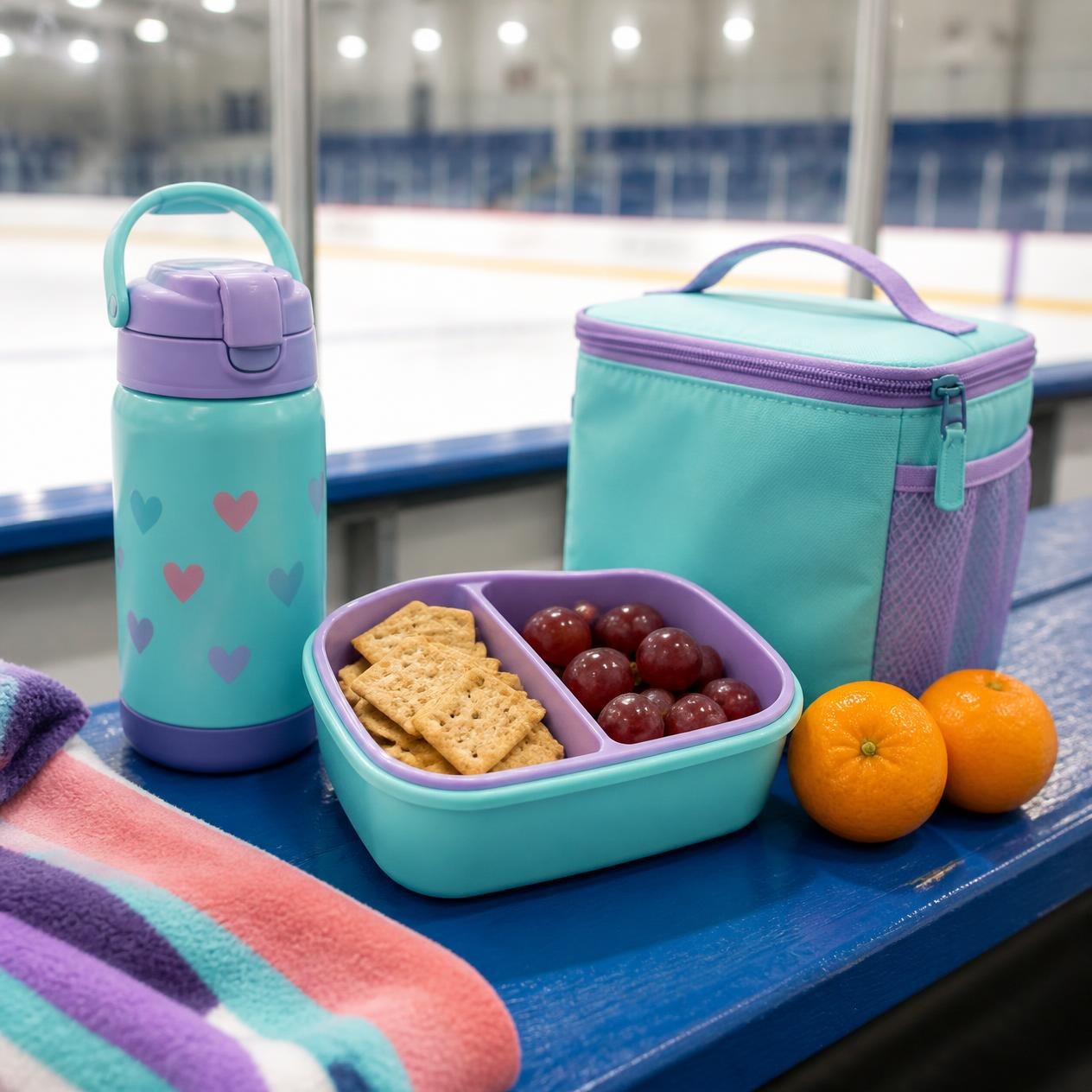
Rink-Side Snacks and Hydration: What to Pack
Between school pickup, early ice times and a sibling who’s suddenly starving, hockey snacks can turn into a daily scramble. A simple plan keeps everyone fed and the water bottles full without turning packing into a second job.
It also means the concession stand doesn’t need to become another monthly bill.
This post contains affiliate links. If you purchase through these links, I may earn a commission at no extra cost to you. As an Amazon Associate I earn from qualifying purchases.
The Quick Packing Formula
Start with three pieces and adjust as you go:
- Water in a labelled bottle
- An easy-to-eat snack your child already likes
- Something more substantial for after the game, when you need it
For a short practice, water and one snack is often plenty. On a long tournament day, however, add a second snack, a more filling option between games and a plan for refilling bottles.
Of course, every child is different. Appetite, tolerance and how soon they’ll be on the ice all affect what works, so pay attention to what sits well with your player and build from there.
Hockey Snack Ideas by Situation
Foods marked (cooler) need to stay cold. Health Canada says a cooler should keep food at or below 4°C, and an insulated bag only does that with ice packs inside.
Before Practice or a Game
First, choose something familiar and light, especially when ice time is close.
- Bananas, clementines or apple slices
- Crackers or pretzels
- Mini bagels or toast fingers
- Granola bars, if they’re allowed at your rink and team
Between Tournament Games
Meanwhile, long days need snacks that travel well and are easy to eat in a hallway.
- Half sandwiches or wraps (cooler)
- Cheese strings or cubes (cooler)
- Dry cereal or trail mix (check team nut rules first)
- Grapes or berries (cooler)
After Activity
After the game is a good time for something more filling.
- Yogurt tubes or cups (cooler)
- Leftover pasta or rice bowls (cooler)
- Muffins or banana bread
- Hummus with veggies and pita (cooler)
For Siblings and Rink-Side Parents
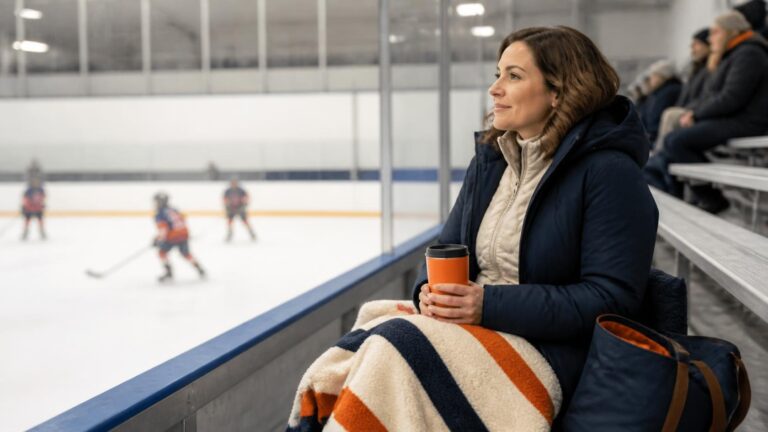
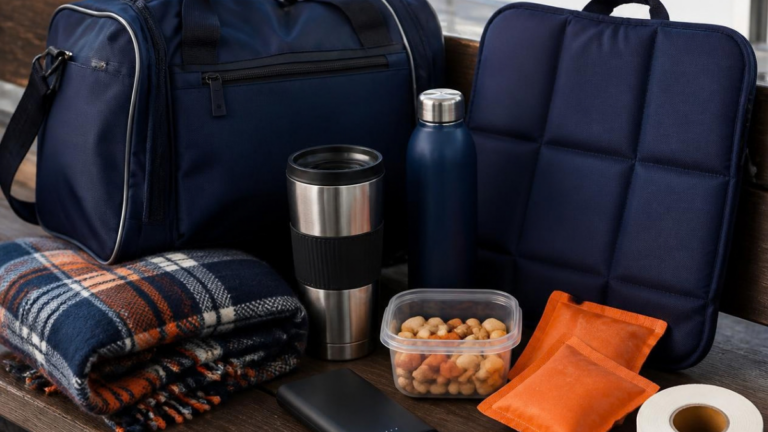
Also, pack a separate snack bag for siblings so the player’s snacks don’t disappear in the first period. Popcorn, fruit cups and a thermos of something warm for parents can make a cold rink much more pleasant.
Team Snacks That Are Easy to Organize
Team snacks are a nice tradition, but check a few things first:
- Allergies and dietary needs on the team
- Age suitability (for example, choking hazards for younger players)
- Team or rink rules about food
- The number of players, coaches and siblings
In general, individually packaged, labelled snacks are easiest to hand out. Check ingredient labels every time, since recipes can change and no product is safe for every allergy.
On the other hand, if shared food doesn’t work for your team, non-food treats like stickers, team-colour pencils or a small water bottle sticker can be just as fun.
Hydration Without Overcomplicating It
For routine practices and games, water is the usual starting point. The Canadian Paediatric Society says water is the best way to stay hydrated before, during and after routine physical activity.
Sports drinks and energy drinks are not the same thing.
- Sports drinks are designed to replace fluids and electrolytes. Hockey Alberta notes they may be useful for intense, continuous activity lasting longer than an hour, such as a long tournament day, but they also contain added sugars. For routine practices, they’re usually unnecessary.
- Energy drinks contain caffeine and other stimulants. The Canadian Paediatric Society does not recommend them for children and teens.
To keep it simple:
- Pack a full bottle for each player
- Choose a bottle your child can open and drink from with their gloves off and helmet on, or easily between drills
- Plan where to refill, since not every rink has a fountain or bottle filler
- Label bottles and avoid sharing
- Wash bottles after each use
A Five-Session Hockey Snacks Rotation Chart
This is a flexible packing example, not a meal plan or individual nutrition advice. Swap items to suit your child’s appetite and preferences, and check team restrictions first.
| Session | Main snack | Add-on for longer outings | Drink | Cooling needed? | Quick prep |
|---|---|---|---|---|---|
| 1 | Banana + crackers | Cheese string | Water | Add-on only | Pack the night before |
| 2 | Mini bagel + clementine | Yogurt tube | Water | Yes (yogurt) | Freeze yogurt tubes ahead |
| 3 | Pretzels + apple slices | Half sandwich | Water | Yes (sandwich) | Make sandwiches in the morning |
| 4 | Granola bar + grapes | Hummus + pita | Water | Yes (grapes, hummus) | Portion into a snack box |
| 5 | Muffin + berries | Leftover pasta | Water | Yes (berries, pasta) | Bake muffins on the weekend |
Copy this chart into your notes or print the page to keep it on the fridge. Repeat it weekly or mix and match.
Gear That Makes Hockey Snacks Easier
First, you don’t need new containers to start. The bottles, reusable boxes and lunch bags you already own can work fine. These are options if yours aren’t keeping up.
Insulated Bottles
The problem: water gets warm or spills in the bag.
An insulated, leak-resistant bottle keeps drinks cold and the bag dry. The HASLE OUTFITTERS 16 oz Insulated Water Bottle is double-wall stainless steel and comes with two lids: a spout lid described as leak-proof and a straw lid. Its wide mouth makes it easier to add ice and clean the inside.
What to check: which lid your child can open and use easily, and whether it works with their equipment. Spouts and straws don’t work through every cage, so test it at home first. The listing doesn’t state whether the lids are dishwasher safe, so check the care instructions that come with it.
Snack Boxes
The problem: crackers get crushed and fruit leaks into everything.
Instead, a compartment box keeps foods separate. The Bentgo Kids Snack 2-Compartment Container holds 1.5 cups (a 1-cup and a ½-cup compartment), has a silicone seal and an easy-open latch, and is dishwasher safe. It is not insulated, so pair it with a cooler bag and ice packs for anything that needs to stay cold.
What to check: the size and whether your child can open the latch on their own.
Small Coolers and Ice Packs
The problem: yogurt, sandwiches and cut fruit need to stay cold.
The Cerbonny Insulated Lunch Bag comes with four gel ice packs and has inside pockets to hold them. It measures 10.5 × 7 × 8.5 inches, has a leak-resistant PEVA lining and wipes clean. For extra cold, the Fit & Fresh XL Slim Cooler Ice Packs (4-pack) are 7 × 4.75 × 0.5 inches and slide easily into most bags.
What to check: that the cooler fits your containers and that your ice packs are fully frozen. Advertised cooling times aren’t a guarantee that food stays at a safe temperature. Health Canada recommends keeping cooler contents at or below 4°C.
A Simple Weekly Prep Routine
- Wash and dry snack boxes and bottles
- Restock shelf-stable snacks like crackers and granola bars
- Prepare fruit or baking that keeps well
- Freeze ice packs so they’re ready to go
Heading out for a weekend? Our hockey tournament hotel survival kit covers coolers and room setup, too.
Common Hockey Snack Packing Mistakes
- Forgetting the ice packs. An insulated bag alone won’t keep food cold.
- Packing hard-to-open packaging. Test lids and wrappers at home.
- Trying new foods right before a game. Stick with what your child knows.
- Sharing bottles. Label them and keep one per player.
- Assuming there’s a refill station. Bring enough water or a backup plan.
Hockey Snacks FAQ
What are easy hockey snacks?
Bananas, crackers, pretzels, granola bars and clementines are easy to pack and don’t need a cooler.
How do I plan team snacks?
Check allergies, team rules and player numbers first. Choose individually packaged items and check ingredient labels every time.
Should kids drink sports drinks at hockey?
For routine practices, water is usually enough. Sports drinks may be useful for long, intense activity like a full tournament day. Energy drinks aren’t recommended for kids.
Do I need a cooler?
Only for foods that need refrigeration, such as yogurt, cheese, sandwiches and cut fruit. Use ice packs and keep food at or below 4°C.
What if my child is a picky eater?
Start by packing foods they already enjoy. A familiar snack is better than an untouched one.
The Bottom Line
You don’t need an elaborate snack spread to make hockey easier. A repeatable plan with water, a familiar snack and the right containers will cover most practices and games.
New to hockey? Start with our first-year hockey parent guide. And save or pin this rotation chart for your next busy week.